
Referred, Previously Attempted & Complex Cases
Difficult Tooth Extractions in Yuba City
If another dentist has described your extraction as difficult, referred you because of the tooth or root anatomy, or already attempted the extraction without being able to complete it, the next step is not simply to “try harder.” The situation should be reassessed so the remaining tooth or root, current anatomy, imaging, comfort needs, medical factors, and appropriate treatment setting can be considered together.
Harjinder Singh, DDS has more than 25 years of experience focused on tooth extractions and implant-related care. Difficult and referred extraction cases are a regular part of his procedure-focused Yuba City practice.
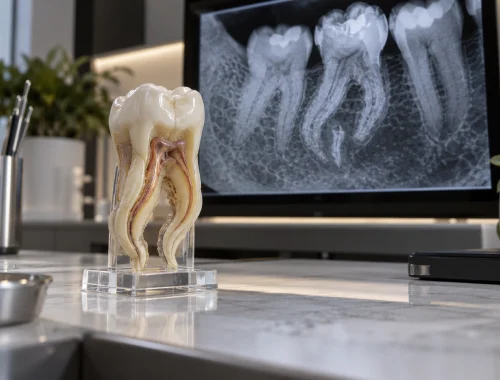
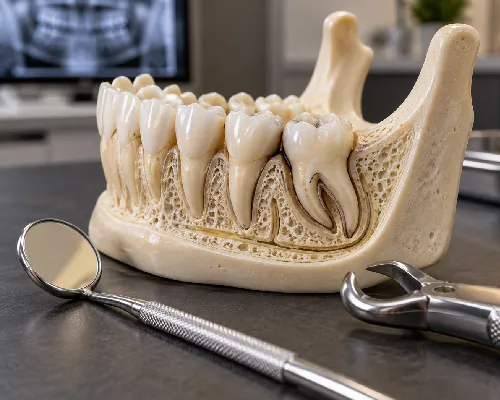
Replace this placeholder with an approved real practice, imaging, or difficult-extraction case visual.
If your situation is an ordinary non-wisdom tooth removal rather than a referred or unusually challenging case, start with Tooth Extractions.
Start With Your Situation
What Made the Extraction “Difficult”?
“Difficult extraction” is not one diagnosis. Different problems can create very different planning needs. These are some of the situations this page is intended to help you understand.
Professional referral
You Were Referred by Another Dentist
A referral may mean your dentist believes the tooth, roots, surrounding anatomy, anesthetic history, or another factor deserves evaluation by a provider who handles a high volume of extraction procedures.
Previous attempt
The Extraction Was Started but Not Completed
The current condition of the tooth or remaining roots and the surrounding anatomy should be reassessed rather than assuming the original plan still applies unchanged.
Remaining structure
The Tooth Broke or a Root Remains
Severely broken teeth and retained roots can be more difficult to access and may require closer evaluation of their position, condition, surrounding bone, and nearby structures.
The Roots Are Unusually Challenging
Long, curved, divergent, or otherwise complex roots can change the expected difficulty and the technique needed.
Getting Numb Has Been Difficult Before
Previous local-anesthetic difficulty is important to disclose before treatment because it can affect planning.
Several Difficult Teeth Need Evaluation
The number of teeth, anatomy, medical history, comfort needs, and overall treatment plan may affect whether and how treatment is combined.
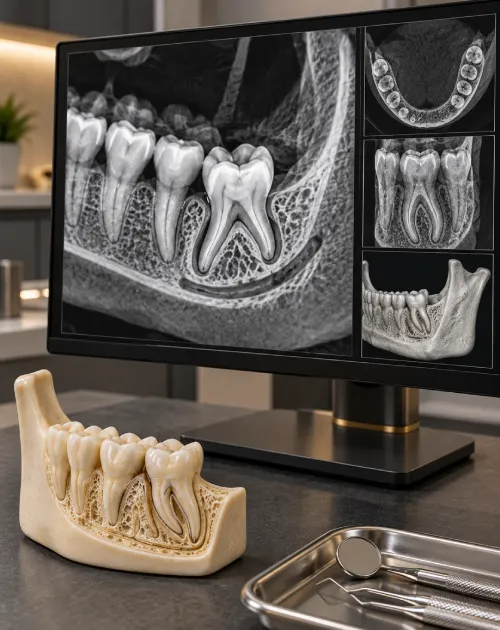
Future opportunity: use an approved X-ray, CBCT view, or de-identified case image that genuinely demonstrates why anatomy can change extraction planning.
More Than One Factor
What Can Make a Tooth Harder to Remove?
The visible part of the tooth is only one part of the problem. Difficulty can come from the tooth itself, its roots, its position, surrounding structures, previous treatment, or what happened during an earlier attempt.
Limited Tooth Structure
A tooth broken near or below the gumline may provide less accessible structure to work with.
Root Shape and Position
Long, curved, divergent, fused, or otherwise unusual roots may make straightforward removal less predictable.
Previous Dental Treatment
A previously root-treated or heavily restored tooth can present different structural considerations.
Previous Extraction Attempt
A prior attempt can change what remains and may make updated assessment more useful.
Nearby Anatomy
The relationship to surrounding bone, the sinus, nerves, or other important structures can influence planning.
Patient and Medical Factors
Medical history, medications, anxiety, anesthetic experience, and sedation suitability can also change the plan.
After an Unsuccessful Attempt
If Someone Already Tried to Remove the Tooth
A previous attempt is useful clinical history. The goal of the next evaluation is not to assign blame or repeat the same steps. It is to understand what remains, what has changed, and what information is now needed.
Clarify What Happened
Explain whether the tooth fractured, a root remained, the procedure was stopped, numbing was inadequate, or another concern prevented completion.
Reassess the Current Condition
The current tooth or root position matters more than relying only on what was seen before the earlier procedure.
Review Existing Records
Recent, diagnostically useful X-rays or 3D images may provide valuable context and can be sent or brought when available.
Decide Whether New Imaging Is Needed
Existing imaging is not automatically sufficient. Updated images may be appropriate when the current anatomy or condition needs to be evaluated more clearly.
Plan From the Current Findings
The next approach should be based on what is present now together with relevant medical, anesthetic, and treatment considerations.
Development placeholder. Replace this with an approved, genuinely relevant Dr. Singh or patient-education video before publication.
Planning Before Treatment
What the Evaluation Needs to Clarify
Difficult-extraction planning is not only about identifying a tooth that needs to come out. The evaluation should clarify why the case may be challenging and whether office-based treatment is appropriate.
What remains?
A broken crown, retained root, previously treated tooth, or partially completed extraction may change accessibility and planning.
What does current imaging show?
Imaging can help assess root shape, position, surrounding bone, and nearby anatomy. 3D imaging may be used selectively when indicated.
What happened previously?
Difficulty with access, root fracture, anesthesia, anxiety, or another clinical issue provides useful planning information.
Is office-based care appropriate?
Medical history, medications, the anticipated procedure, sedation considerations, and other safety factors can affect the treatment setting.
When Part of the Tooth Remains
A Retained Root Is a Treatment Decision, Not Just a Fragment
If a root or root tip remains after a tooth fractures or an extraction is stopped, the useful question is not simply, “Can it be removed?” The more important question is whether removal is appropriate and how the risks and benefits should be weighed in that particular situation.
Evaluation may need to consider
- The size and position of the remaining root
- Whether symptoms, infection, or another problem is present
- The surrounding bone and access to the fragment
- Its relationship to nerves, the sinus, or other nearby anatomy
- What occurred during the previous attempt
- Whether attempting retrieval would introduce additional risk
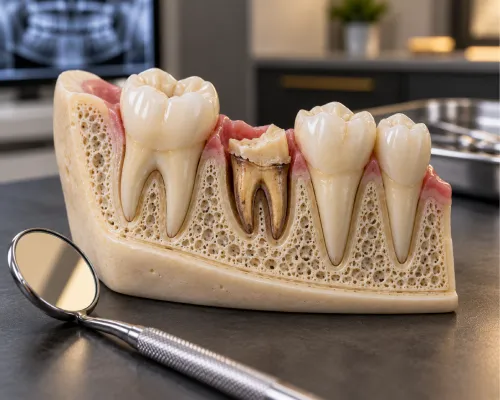
Ideal future asset: an approved de-identified X-ray or case visual showing a retained root or difficult-access situation.
The goal is not to promise that every remaining root must be removed in the office. The goal is to evaluate what is present now and choose the next step according to the individual clinical situation.
Comfort Is Part of the Plan
If Getting Numb Was Part of the Problem, Say So Early
A difficult extraction can be challenging for more than anatomical reasons. Previous anesthetic problems, fear from an earlier experience, or the need for additional sedation can change appointment planning.
01 · Numbing history
Previous Difficulty Getting Numb
Dr. Singh receives referrals for some patients who have historically been difficult to anesthetize. Previous numbing problems should be discussed before treatment rather than discovered during the procedure.
02 · Anxiety
Dental Anxiety or Previous Trauma
If an earlier dental experience has made you especially apprehensive, tell the office during scheduling or evaluation so comfort needs can be considered.
03 · Sedation
Additional Sedation Options
Nitrous oxide, oral sedation, and moderate conscious/IV sedation are available when appropriate. Suitability depends on the patient, medical history, and procedure.
Different Problems, Different Questions
What a Difficult-Extraction Evaluation May Need to Clarify
The same treatment plan should not be assumed for every difficult case. The reason an extraction is challenging determines what needs closer attention.
| Situation | Why Planning May Change | What the Evaluation Helps Clarify |
|---|---|---|
| Severely broken tooth | Less accessible tooth structure may remain above the gumline. | What structure remains and how the tooth can be approached. |
| Long or curved roots | Root shape can make straightforward removal less predictable. | Root anatomy, position, surrounding bone, and relevant nearby structures. |
| Retained root after a previous attempt | The clinical situation may have changed since the original imaging or procedure. | What remains, its current position, and whether removal is appropriate. |
| Previously root-treated tooth | Previous treatment and structural changes may affect the tooth. | Current damage, anatomy, and the extraction plan. |
| Previous difficulty getting numb | Anesthetic history can affect preparation and comfort planning. | What happened previously and what anesthetic or sedation planning may be relevant. |
| Several difficult teeth | Treatment extent can affect sequencing, comfort, and overall planning. | Which teeth require treatment and whether combining procedures is appropriate. |
An Important Limitation
Not Every Difficult Case Belongs in a Dental Office
Experience with difficult extractions does not mean every patient or every procedure should automatically be treated in the office.
Dr. Singh evaluates whether office-based care is appropriate. A patient’s health, medical circumstances, sedation suitability, anticipated procedure, or need for hospital-based treatment can make referral to another setting the safer choice.
Two Ways Patients Arrive
Referred by a Dentist or Contacting the Practice Directly
Dr. Singh regularly receives professional referrals for difficult extractions, but a formal referral is not universally required for a patient to request an evaluation.
Already referred
Your Dentist Sent You for the Extraction
Bring or send referral information and recent relevant records when available. Useful outside imaging can be considered while the practice still decides whether updated imaging is appropriate.
No formal referral
You Want to Contact the Office Yourself
Explain what you have been told, whether anyone has already attempted the extraction, and what recent records or images you have.
For dental offices
Professional Referral Information
Referring dentists who need records, imaging, or procedural coordination information should use the dedicated professional referral page.
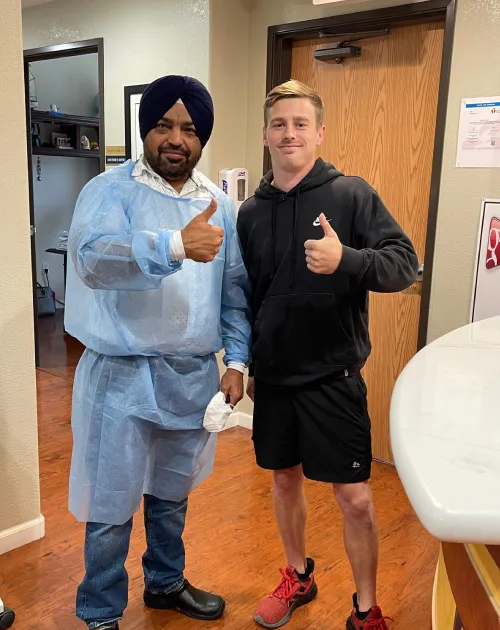
Replace with an approved Dr. Singh, practice, or real case-evidence image when available.
Why This Page Exists
Difficult Extractions Are a Genuine Part of Dr. Singh's Practice
This is not a synonym page created to repeat the general Tooth Extractions service. Harjinder Singh, DDS runs a procedure-focused dental practice where extraction and implant treatment make up a major part of the clinical work.
Years of Experience
More than 25 years of experience focused on extraction and implant care.
Difficult Cases Are Referred
Professional referrals for difficult extractions are an established part of the practice.
Selective Imaging
Dental X-rays and 3D imaging are available, with detailed imaging used when clinically indicated.
Office Suitability Matters
Difficult-case experience does not replace medical judgment about the appropriate treatment setting.
Detailed real-patient or case evidence belongs on Patient Stories & Treatment Cases so this service page can remain focused on evaluation and treatment decisions.
Before You Request an Evaluation
Six Details Worth Mentioning Up Front
A short, accurate description of what makes the case difficult can help the office understand what records, planning, or appointment type may be appropriate.
Who Referred You
Mention whether another dentist recommended that the extraction be handled elsewhere.
What Happened Previously
If someone already attempted the extraction, explain what you were told remained or why treatment was stopped.
What Imaging You Have
Let the office know whether recent X-rays or a 3D scan are available.
Your Numbing History
Mention previous difficulty becoming numb or a procedure that had to be stopped because of discomfort.
Medical and Medication Information
Accurate health and medication information is important when evaluating procedural and sedation suitability.
Whether the Problem Is Urgent
If severe pain, swelling, infection, or another urgent problem is driving the need for care, make that clear.
Common Difficult-Extraction Questions
Questions Before Your Evaluation
Do I need a dentist referral?
Not universally. Dr. Singh receives many professional referrals for difficult extractions, but patients may also contact the practice directly. If your dentist has already provided a referral, notes, or recent imaging, bring or send that information when available.
What if my dentist could not remove it?
A previous unsuccessful attempt is one of the situations this page is designed for. The remaining tooth or root and current anatomy need to be evaluated before deciding what should happen next. Existing records may help, although updated imaging can still be needed.
Can I bring my existing X-rays?
Yes. Recent, diagnostically useful outside X-rays or 3D images may be considered. Dr. Singh may still choose to obtain current imaging when existing records do not provide enough information or when the situation changed after a previous attempt.
Does every retained root need removal?
Not every retained root is managed identically. Its condition, symptoms, position, surrounding anatomy, and the risks and benefits of attempting removal all matter. Evaluation is needed before deciding whether removal is appropriate.
Will I automatically need a 3D scan?
No. The practice has 3D X-ray/CBCT capability, but it is used selectively when clinically indicated. Conventional dental imaging may be sufficient in some situations.
What if I am hard to numb?
Tell the office before treatment if getting numb has been difficult in the past. Dr. Singh receives some referrals for difficult-to-anesthetize patients. For deeper education, visit Why Dental Numbing Sometimes Does Not Work.
Can every difficult extraction be done here?
No. Dr. Singh accepts a broad range of difficult extraction cases, but treatment still depends on medical suitability, the anticipated procedure, and whether office-based care is appropriate. Some patients or cases may require another setting.
Use the Right Page for the Right Question
Related Information Without Mixing Different Problems Together
Difficult extraction is only one part of the site’s extraction information. These pages handle related questions in greater depth.
The Next Useful Step
Have the Difficult Extraction Evaluated as It Exists Now
If another dentist referred you, the tooth or root broke during an earlier attempt, part of the root remains, or you have been told that unusual anatomy makes removal more challenging, an evaluation can clarify what is present now and what approach is appropriate.
When contacting the practice, mention why the case was considered difficult, whether anyone has already attempted the extraction, what recent imaging you have, and whether previous numbing difficulty, anxiety, sedation, medical history, or urgency may affect planning.
Routine non-wisdom extraction instead? Visit Tooth Extractions.
Posted on Google
 Lisa Hobdy-Horvath
Trustindex verifies that the original source of the review is Google.
My nephew had severely impacted wisdom teeth at age 31 and had an infection as well. He also has a blood condition that makes him faint easily and was understandably very anxious (has anxiety anyway) about having all 4 teeth removed- without anesthesia. Dr. Singh and his assistant had the BEST bedside manners. After the initial visit, Dr. Singh laid out the procedure, all the while making my nephew feel at ease, and scheduled us back in about 10 days. Dr. Singh let me stay in the extraction room to help comfort my nephew, numbed him up and kept checking in with my nephew on his comfort level. The wisdom teeth were huge and stuck and the Dr got them out! The after care instructions and medicine were very helpful and thorough and my nephew felt noticably better after a week, & was eating soft cooked foods by week 2. The office is inviting and very clean. Staff is friendly as well and we HIGHLY recommend this business!Posted on Google Jordin TaylorI had a good experience getting my wisdom tooth extracted. The staff was friendly, helpful, and made me feel comfortable throughout the appointment. The dentist explained what was going to happen before starting and answered my questions. The procedure was quicker and easier than I expected, and they also gave me clear instructions for taking care of my mouth afterward. Overall, I would recommend this office to anyone who needs to get a wisdom tooth removed.Posted on Google
 Jamie HowellFriendly and fast!Posted on Google
 Esmeralda Martinezgreat work
Owner's reply
Thanks for the review.Posted on Google Tanisha JohnsonBeautiful clean office, very kind staff, they made the whole process of extraction smooth and easy.Posted on Google
 Li XiongGoooooooooooooopood
Owner's reply
ThanksPosted on Google Miguel MadrigalDr. Singh did an amazing JOB extracting all of my teeth👍🏻I GIVE him a 5 Star🥰ThanX Dr. Singh
Owner's reply
Thank you very much.Posted on Google Hader AliDr. Harjinder is an excellent doctor; whenever I have taken my mom and dad to see him, he has done a great job.
Owner's reply
Thanks for the feedback.Posted on Google Derrick Taylor
Owner's reply
ThanksPosted on Google Michelle VilchezAmazing work! I really enjoyed this place to get me wisdom tooth extraction because other places I took a look at said after surgery where my extraction was would be just a dry socket and over here at Harjinder they take blood from you and insert it after extraction so your not left with a dry socket and heal a-lot faster. It gave me a way better healing process than other people I know that have gone other places! I felt NO pain throughout my procedure!Load moreVerified by TrustindexTrustindex verified badge is the Universal Symbol of Trust. Only the greatest companies can get the verified badge who has a review score above 4.5, based on customer reviews over the past 12 months. Read more